The Age of Enlightenment, also known as the Age of Reason or simply the Enlightenment, was a period of intellectual and cultural flourishing in Europe and Western civilization, emerging in the late 17th century in Western Europe. It reached its peak in the 18th century as its ideas spread more widely across Europe and into the European colonies in the Americas and Oceania. Characterized by an emphasis on reason, empirical evidence, and the scientific method, the Enlightenment promoted ideals of individual liberty, religious tolerance, progress, and natural rights. Its thinkers advocated for constitutional government, the separation of church and state, and the application of rational principles to social and political reform.
The Enlightenment emerged from and built upon the Scientific Revolution of the 16th and 17th centuries, which had established new methods of empirical inquiry through the work of figures such as Galileo Galilei, Johannes Kepler, Francis Bacon, Pierre Gassendi, Christiaan Huygens, and Isaac Newton. Philosophical foundations were laid by thinkers including René Descartes, Thomas Hobbes, Baruch Spinoza, and John Locke, whose ideas about reason, natural rights, and empirical knowledge became central to Enlightenment thought. The dating of the period of the beginning of the Enlightenment can be attributed to the publication of Descartes' Discourse on the Method in 1637, with his method of systematically disbelieving everything unless there was a well-founded reason for accepting it, and featuring his dictum, Cogito, ergo sum ('I think, therefore I am'). Others cite the publication of Newton's Principia Mathematica (1687) as the culmination of the Scientific Revolution and the beginning of the Enlightenment. European historians traditionally dated its beginning with the death of Louis XIV of France in 1715 and its end with the outbreak of the French Revolution in 1789. Many historians now date the end of the Enlightenment as the start of the 19th century, with the latest proposed year being the death of Immanuel Kant in 1804.
The movement was characterized by the widespread circulation of ideas through new institutions: scientific academies, literary salons, coffeehouses, Masonic lodges, and an expanding print culture of books, journals, and pamphlets. The ideas of the Enlightenment undermined the authority of the monarchy and religious officials and paved the way for the political revolutions of the 18th and 19th centuries. A variety of 19th-century movements, including liberalism, socialism, and neoclassicism, trace their intellectual heritage to the Enlightenment. The Enlightenment was marked by an increasing awareness of the relationship between the mind and the everyday media of the world, and by an emphasis on the scientific method and reductionism, along with increased questioning of religious dogma—an attitude captured by Kant's essay Answering the Question: What Is Enlightenment?, where the phrase sapere aude ('dare to know') can be found.
The central doctrines of the Enlightenment were individual liberty, representative government, the rule of law, and religious freedom, in contrast to an absolute monarchy or single party state and the religious persecution of faiths other than those formally established and often controlled outright by the State. By contrast, other intellectual currents included arguments in favour of anti-Christianity, Deism and Atheism, accompanied by demands for secular states, bans on religious education, suppression of monasteries, the suppression of the Jesuits, and the expulsion of religious orders. The Enlightenment also faced contemporary criticism, later termed the "Counter-Enlightenment" by Sir Isaiah Berlin, which defended traditional religious and political authorities against rationalist critique.
Summary from Wikipedia (CC BY-SA 4.0)
01Influential intellectuals

The Enlightenment was preceded by and closely associated with the Scientific Revolution. Earlier philosophers whose work influenced the Enlightenment included Francis Bacon, Pierre Gassendi, René Descartes, Thomas Hobbes, Baruch Spinoza, John Locke, Pierre Bayle, and Gottfried Wilhelm Leibniz. Some of the figures of the Enlightenment included Cesare Beccaria, George Berkeley, Denis Diderot, Émilie Du Châtelet, David Hume, Immanuel Kant, Lord Monboddo, Montesquieu, Jean-Jacques Rousseau, Adam Smith, Roger Williams, Hugo Grotius, and Voltaire.
One of the most influential Enlightenment publications was the Encyclopédie (Encyclopedia). Published between 1751 and 1772 in 35 volumes, it was compiled by Diderot, Jean le Rond d'Alembert, and a team of 150 others. The Encyclopédie helped spread the ideas of the Enlightenment across Europe and beyond.
Other publications of the Enlightenment included Locke's A Letter Concerning Toleration (1689) and Two Treatises of Government (1689); Berkeley's A Treatise Concerning the Principles of Human Knowledge (1710), Voltaire's Letters on the English (1733) and Philosophical Dictionary (1764); Du Châtelet's Foundations of Physics (1740); Hume's A Treatise of Human Nature (1740); Montesquieu's The Spirit of the Laws (1748); Rousseau's Discourse on Inequality (1754) and The Social Contract (1762); Cesare Beccaria's On Crimes and Punishments (1764); Adam Smith's The Theory of Moral Sentiments (1759) and The Wealth of Nations (1776), Kant's Critique of Pure Reason (1781), and at the close of the age, the pioneering proto-feminist text, Wollstoncraft's A Vindication Of The Rights Of Woman (1792).
02Topics

Bacon's empiricism and Descartes' rationalist philosophy laid the foundation for enlightenment thinking. Descartes' attempt to construct the sciences on a secure metaphysical foundation was not as successful as his method of doubt applied to philosophy, which led to a dualistic doctrine of mind and matter. His skepticism was refined by Locke's Essay Concerning Human Understanding (1690) and Hume's writings in the 1740s. Descartes' dualism was challenged by Spinoza's uncompromising assertion of the unity of matter in his Tractatus (1670) and Ethics (1677).
According to Jonathan Israel, these laid down two distinct lines of Enlightenment thought: first, the moderate variety, following Descartes, Locke, and Christian Wolff, which sought accommodation between reform and the traditional systems of power and faith, and, second, the Radical Enlightenment, inspired by the philosophy of Spinoza, advocating democracy, individual liberty, freedom of expression, and eradication of religious authority. The moderate variety tended to be deistic whereas the radical tendency separated the basis of morality entirely from theology. Both lines of thought were eventually opposed by a conservative Counter-Enlightenment which sought a return to faith.
In the mid-18th century, Paris became the center of philosophic and scientific activity challenging traditional doctrines and dogmas. After the Edict of Fontainebleau in 1685, the relationship between church and the absolutist government was very strong. The early enlightenment emerged in protest to these circumstances, gaining ground under the support of Madame de Pompadour, the mistress of Louis XV. Called the Siècle des Lumières, the philosophical movement of the Enlightenment had already started by the early 18th century, when Pierre Bayle launched the popular and scholarly Enlightenment critique of religion. As a skeptic Bayle only partially accepted the philosophy and principles of rationality. He did draw a strict boundary between morality and religion. The rigor of his Dictionnaire Historique et Critique influenced many of the Enlightenment Encyclopédistes. By the mid-18th century the French Enlightenment had found a focus in the project of the Encyclopédie. The philosophical movement was led by Voltaire and Rousseau, who argued for a society based upon reason rather than faith and Catholic doctrine, for a new civil order based on natural law, and for science based on experiments and observation. The political philosopher Montesquieu introduced the idea of a separation of powers in a government, a concept which was enthusiastically adopted by the authors of the United States Constitution. While the philosophes of the French Enlightenment were not revolutionaries and many were members of the nobility, their ideas played an important part in undermining the legitimacy of the Old Regime and shaping the French Revolution.
Francis Hutcheson, a moral philosopher and founding figure of the Scottish Enlightenment, described the utilitarian and consequentialist principle that virtue is that which provides, in his words, "the greatest happiness for the greatest numbers." Much of what is incorporated in the scientific method (the nature of knowledge, evidence, experience, and causation) and some modern attitudes towards the relationship between science and religion were developed by Hutcheson's protégés in Edinburgh: David Hume and Adam Smith. Hume became a major figure in the skeptical philosophical and empiricist traditions of philosophy.
Kant tried to reconcile rationalism and religious belief, individual freedom and political authority, as well as map out a view of the public sphere through private and public reason. Kant's work continued to influence German intellectual life and European philosophy more broadly well into the 20th century.
Mary Wollstonecraft was one of England's earliest feminist philosophers. She argued for a society based on reason and that women as well as men should be treated as rational beings. She is best known for her 1792 work, A Vindication of the Rights of Woman.
Science played an important role in Enlightenment discourse and thought. Many Enlightenment writers and thinkers had backgrounds in the sciences and associated scientific advancement with the overthrow of religion and traditional authority in favour of the development of free speech and thought. There were immediate practical results. The experiments of Antoine Lavoisier were used to create the first modern chemical plants in Paris, and the experiments of the Montgolfier brothers enabled them to launch the first manned flight in a hot air balloon in 1783.
Broadly speaking, Enlightenment science greatly valued empiricism and rational thought and was embedded with the Enlightenment ideal of advancement and progress. The study of science, under the heading of natural philosophy, was divided into physics and a conglomerate grouping of chemistry and natural history, which included anatomy, biology, geology, mineralogy, and zoology. As with most Enlightenment views, the benefits of science were not seen universally: Rousseau criticized the sciences for distancing man from nature and not operating to make people happier.
Science during the Enlightenment was dominated by scientific societies and academies, which had largely replaced universities as centres of scientific research and development. Societies and academies were also the backbone of the maturation of the scientific profession. Scientific academies and societies grew out of the Scientific Revolution as the creators of scientific knowledge, in contrast to the scholasticism of the university. Some societies created or retained links to universities, but contemporary sources distinguished universities from scientific societies by claiming that the university's utility was in the transmission of knowledge while societies functioned to create knowledge. As the role of universities in institutionalized science began to diminish, learned societies became the cornerstone of organized science. Official scientific societies were chartered by the state to provide technical expertise.
Most societies were granted permission to oversee their own publications, control the election of new members and the administration of the society. In the 18th century, a very large number of official academies and societies were founded in Europe; by 1789 there were over 70 official scientific societies. In reference to this growth, Bernard de Fontenelle coined the term "the Age of Academies" to describe the 18th century.
Another important development was the popularization of science among an increasingly literate population. Philosophes introduced the public to many scientific theories, most notably through the Encyclopédie and the popularization of Newtonianism by Voltaire and Émilie du Châtelet. Some historians have marked the 18th century as a drab period in the history of science. The century saw significant advancements in the practice of medicine, mathematics, and physics; the development of biological taxonomy; a new understanding of magnetism and electricity; and the maturation of chemistry as a discipline, which established the foundations of modern chemistry.
The influence of science began appearing more commonly in poetry and literature. While some societies were established with ties to universities or maintained existing ones contemporary sources often distinguished between the two, asserting that universities primarily served to transmit knowledge, whereas scientific societies were oriented toward the creation of new knowledge. James Thomson penned his "A Poem to the Memory of Sir Isaac Newton," which mourned the loss of Newton and praised his science and legacy.
Hume and other Scottish Enlightenment thinkers developed a "science of man," which was expressed historically in works by authors including James Burnett, Adam Ferguson, John Millar, and William Robertson, all of whom merged a scientific study of how humans behaved in ancient and primitive cultures with a strong awareness of the determining forces of modernity. Modern sociology largely originated from this movement, and Hume's philosophical concepts that directly influenced James Madison (and thus the U.S. Constitution), and as popularised by Dugald Stewart was the basis of classical liberalism.
In 1776, Adam Smith published The Wealth of Nations, often considered the first work on modern economics as it had an immediate impact on British economic policy that continues into the 21st century. It was immediately preceded and influenced by Anne Robert Jacques Turgot's drafts of Reflections on the Formation and Distribution of Wealth (1766). Smith acknowledged indebtedness and possibly was the original English translator.
Beccaria, a jurist, criminologist, philosopher, and politician and one of the great Enlightenment writers, became famous for his masterpiece Dei delitti e delle pene (Of Crimes and Punishments, 1764). His treatise, translated into 22 languages, condemned torture and the death penalty and was a founding work in the field of penology and the classical school of criminology by promoting criminal justice. Francesco Mario Pagano wrote studies such as Saggi politici (Political Essays, 1783); and Considerazioni sul processo criminale (Considerations on the Criminal Trial, 1787), which established him as an international authority on criminal law.
The Enlightenment has long been seen as the foundation of modern Western political and intellectual culture. The Enlightenment brought political modernization to the West, in terms of introducing democratic values and institutions and the creation of modern, liberal democracies. Scholars have widely accepted this thesis and has been reinforced by the large-scale studies by Robert Darnton, Roy Porter, and, most recently, by Jonathan Israel. Enlightenment thought was deeply influential in the political realm. European rulers such as Catherine II of Russia, Joseph II of Austria, and Frederick II of Prussia tried to apply Enlightenment thought on religious and political tolerance, which became known as enlightened absolutism. Many of the major political and intellectual figures behind the American Revolution associated themselves closely with the Enlightenment: Benjamin Franklin visited Europe repeatedly and contributed actively to the scientific and political debates there and brought the newest ideas back to Philadelphia; Thomas Jefferson closely followed European ideas and later incorporated some of the ideals of the Enlightenment into the Declaration of Independence; and Madison incorporated these ideals into the U.S. Constitution during its framing in 1787.
Locke, one of the most influential Enlightenment thinkers, based his governance philosophy on social contract theory, a subject that permeated Enlightenment political thought. English philosopher Thomas Hobbes ushered in this new debate with his work Leviathan in 1651. Hobbes also developed some of the fundamentals of European liberal thought: the right of the individual, the natural equality of all men, the artificial character of the political order (which led to the later distinction between civil society and the state), the view that all legitimate political power must be "representative" and based on the consent of the people, and a liberal interpretation of law which leaves people free to do whatever the law does not explicitly forbid.
Both Locke and Rousseau developed social contract theories in Two Treatises of Government and Discourse on Inequality, respectively. While quite different works, Locke, Hobbes, and Rousseau agreed that a social contract, in which the government's authority lies in the consent of the governed, is necessary for man to live in civil society.
03National variations
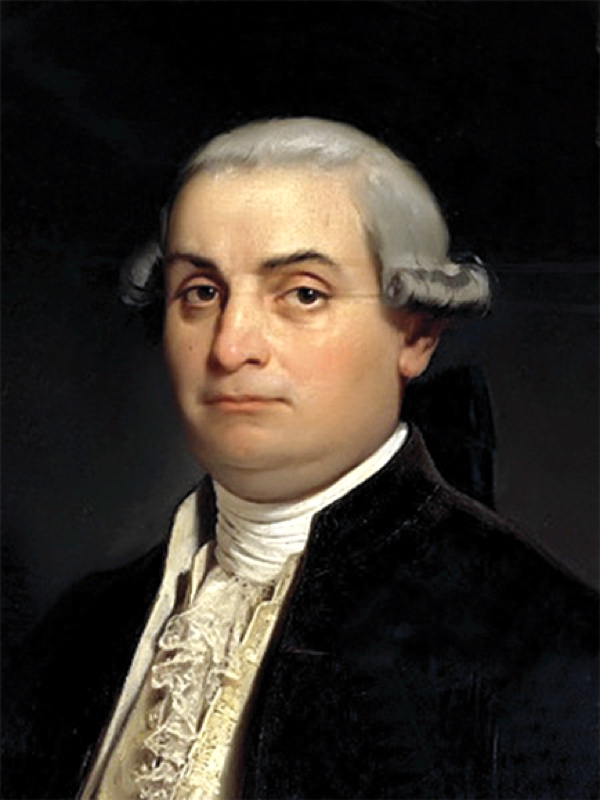
The Enlightenment took hold in most European countries and influenced nations globally, often with a specific local emphasis. For example, in France it became associated with anti-government and anti-Church radicalism, while in Germany it reached deep into the middle classes, where it expressed a spiritualistic and nationalistic tone without threatening governments or established churches. Government responses varied widely. In France, the government was hostile, and the philosophes fought against its censorship, sometimes being imprisoned or hounded into exile. The British government, for the most part, ignored the Enlightenment's leaders in England and Scotland, although it did give Newton a knighthood and a very lucrative government office.
A common theme among most countries which derived Enlightenment ideas from Europe was the intentional non-inclusion of Enlightenment philosophies pertaining to slavery. Originally during the French Revolution, a revolution deeply inspired by Enlightenment philosophy, "France's revolutionary government had denounced slavery, but the property-holding 'revolutionaries' then remembered their bank accounts." Slavery frequently showed the limitations of the Enlightenment ideology as it pertained to European colonialism, since many colonies of Europe operated on a plantation economy fueled by slave labor. In 1791, the Haitian Revolution, a slave rebellion by emancipated slaves against French colonial rule in the colony of Saint-Domingue, broke out. European nations and the United States, despite the strong support for Enlightenment ideals, refused to "[give support] to Saint-Domingue's anti-colonial struggle."
The existence of an English Enlightenment can be typified by The Lunar Society of Birmingham which was a society of prominent figures in philosophy, engineering and other sciences, who met regularly between 1765 and 1813 at Soho House in Birmingham. Regular attendees included - Joseph Priestley, Matthew Boulton, James Watt, William Murdoch and John Wilkinson. The majority of textbooks on British history make little or no mention of an English Enlightenment. Some surveys of the entire Enlightenment include England and others ignore it, although they do include coverage of such major intellectuals as Joseph Addison, Edward Gibbon, John Locke, Isaac Newton, Alexander Pope, Joshua Reynolds, and Jonathan Swift. Freethinking, a term describing those who stood in opposition to the institution of the Church, and the literal belief in the Bible, can be said to have begun in England no later than 1713, when Anthony Collins wrote his "Discourse of Free-thinking," which gained substantial popularity. This essay attacked the clergy of all churches and was a plea for deism.
Roy Porter argues that the reasons for this neglect were the assumptions that the movement was primarily French-inspired, that it was largely a-religious or anti-clerical, and that it stood in outspoken defiance to the established order. Porter admits that after the 1720s England could claim thinkers to equal Diderot, Voltaire, or Rousseau. However, its leading intellectuals such as Gibbon, Edmund Burke and Samuel Johnson were all quite conservative and supportive of the standing order. Porter says the reason was that Enlightenment had come early to England and had succeeded such that the culture had accepted political liberalism, philosophical empiricism, and religious toleration, positions which intellectuals on the continent had to fight against powerful odds. Furthermore, England rejected the collectivism of the continent and emphasized the improvement of individuals as the main goal of enlightenment.
According to Derek Hirst, the 1640s and 1650s saw a revived economy characterised by growth in manufacturing, the elaboration of financial and credit instruments, and the commercialisation of communication. The gentry found time for leisure activities, such as horse racing and bowling. In the high culture important innovations included the development of a mass market for music, increased scientific research, and an expansion of publishing. All the trends were discussed in depth at the newly established coffee houses.
In the Scottish Enlightenment, the principles of sociability, equality, and utility were disseminated in schools and universities, many of which used sophisticated teaching methods which blended philosophy with daily life. Scotland's major cities created an intellectual infrastructure of mutually supporting institutions such as schools, universities, reading societies, libraries, periodicals, museums, and Masonic lodges.
The Scottish network was "predominantly liberal Calvinist, Newtonian, and 'design' oriented in character which played a major role in the further development of the transatlantic Enlightenment." In France, Voltaire said "we look to Scotland for all our ideas of civilization." The focus of the Scottish Enlightenment ranged from intellectual and economic matters to the specifically scientific as in the work of William Cullen, physician and chemist; James Anderson, agronomist; Joseph Black, physicist and chemist; and James Hutton, the first modern geologist.
Several Americans, especially Benjamin Franklin and Thomas Jefferson, played a major role in bringing Enlightenment ideas to the New World and in influencing British and French thinkers. Franklin was influential for his political activism and for his advances in physics. Franklin also broadly encouraged the individual's rights and responsibilities to serve as an educated and informed citizen. He published yearly the widely popular, Poor Richard's Almanack, filled with witty quotes encouraging disciplined self-learning, such as "Early to bed, early to rise, makes a man healthy, wealthy and wise." The cultural exchange during the Enlightenment ran in both directions across the Atlantic. Thinkers such as Paine, Locke, and Rousseau all take Native American cultural practices as examples of natural freedom. The Americans closely followed English and Scottish political ideas, as well as some French thinkers such as Montesquieu. As deists, they were influenced by ideas of John Toland and Matthew Tindal. There was a great emphasis upon liberty, republicanism, and religious tolerance. There was no respect for monarchy or inherited political power. Deists reconciled science and religion by rejecting prophecies, miracles, and biblical theology. Leading deists included Thomas Paine in The Age of Reason and Thomas Jefferson in his short Jefferson Bible, from which he removed all supernatural aspects.
The Jewish Enlightenment, or Haskalah (Hebrew: הַשְׂכָּלָה, "education") was an intellectual movement among the Jews of Central and Eastern Europe, with a certain influence on those in Western Europe and the Muslim world. It arose as a defined ideological worldview during the 1770s, and its last stage ended around 1881, with the rise of Jewish nationalism.
The movement advocated against Jewish reclusiveness, encouraged the adoption of prevalent attire over traditional dress, while also working to diminish the authority of traditional community institutions such as rabbinic courts and boards of elders.
The Dutch Enlightenment began in 1640. During the Early Dutch Enlightenment (1640–1720), many books were translated from Latin, French or English to Dutch, often at the risk of their translators and publishers. By the 1720s, the Dutch Republic had also become a major center for printing and exporting banned books to France. Implanted in Netherlandish culture, vernacular rationalism brought the Dutch to take advantage of the intellectual philosophy the enlightenment spread. The most famous figure of the Dutch Enlightenment was Baruch Spinoza.
The French Enlightenment was influenced by England and in turn influenced other national enlightenments. As worded by Sharon A. Stanley, "the French Enlightenment stands out from other national enlightenments for its unrelenting assault on church leadership and theology."
Prussia took the lead among the German states in sponsoring the political reforms that Enlightenment thinkers urged absolute rulers to adopt. There were important movements as well in the smaller states of Bavaria, Saxony, Hanover, and the Palatinate. In each case, Enlightenment values became accepted and led to significant political and administrative reforms that laid the groundwork for the creation of modern states. The princes of Saxony, for example, carried out an impressive series of fundamental fiscal, administrative, judicial, educational, cultural, and general economic reforms. The reforms were aided by the country's strong urban structure and influential commercial groups and modernized pre-1789 Saxony along the lines of classic Enlightenment principles.
Before 1750, the German upper classes looked to France for intellectual, cultural, and architectural leadership, as French was the language of high society. By the mid-18th century, the Aufklärung (The Enlightenment) had transformed German high culture in music, philosophy, science, and literature. Christian Wolff was the pioneer as a writer who expounded the Enlightenment to German readers and legitimized German as a philosophic language.
Johann Gottfried von Herder broke new ground in philosophy and poetry, as a leader of the Sturm und Drang movement of proto-Romanticism. Weimar Classicism (Weimarer Klassik) was a cultural and literary movement based in Weimar that sought to establish a new humanism by synthesizing Romantic, classical, and Enlightenment ideas. The movement (from 1772 until 1805) involved Herder as well as polymath Johann Wolfgang von Goethe and Friedrich Schiller, a poet and historian. The theatre principal Abel Seyler greatly influenced the development of German theatre and promoted serious German opera, new works and experimental productions, and the concept of a national theatre. Herder argued that every group of people had its own particular identity, which was expressed in its language and culture. This legitimized the promotion of German language and culture and helped shape the development of German nationalism. Schiller's plays expressed the restless spirit of his generation, depicting the hero's struggle against social pressures and the force of destiny.
German music, sponsored by the upper classes, came of age under composers Johann Sebastian Bach, Joseph Haydn, and Wolfgang Amadeus Mozart.
In remote Königsberg, Kant tried to reconcile rationalism and religious belief, individual freedom, and political authority. Kant's work contained basic tensions that would continue to shape German thought—and indeed all of European philosophy—well into the 20th century. German Enlightenment won the support of princes, aristocrats, and the middle classes, and it permanently reshaped the culture. However, there was a conservatism among the elites that warned against going too far.
In 1788, Prussia issued an "Edict on Religion" that forbade preaching any sermon that undermined popular belief in the Holy Trinity or the Bible. The goal was to avoid theological disputes that might impinge on domestic tranquility. Men who doubted the value of Enlightenment favoured the measure, but so too did many supporters. German universities had created a closed elite that could debate controversial issues among themselves, but spreading them to the public was seen as too risky. This intellectual elite was favoured by the state, but that might be reversed if the process of the Enlightenment proved politically or socially destabilizing.
During the 18th century, Austria was under Habsburg rule. The reign of Maria Theresa, the first Habsburg monarch to be considered influenced by the Enlightenment in some areas, was marked by a mix of enlightenment and conservatism. Her son Joseph II's brief reign was marked by this conflict, with his ideology of Josephinism facing opposition.
04Historiography
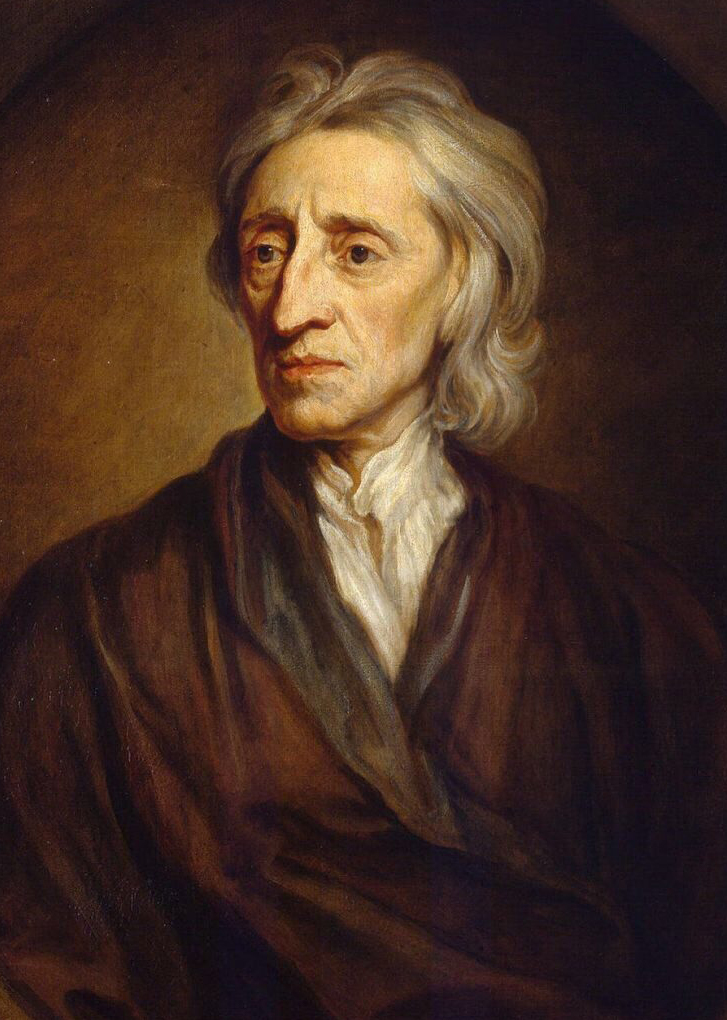
The idea of the Enlightenment has always been contested territory. According to Keith Thomas, its supporters "hail it as the source of everything that is progressive about the modern world. For them, it stands for freedom of thought, rational inquiry, critical thinking, religious tolerance, political liberty, scientific achievement, the pursuit of happiness, and hope for the future." Thomas adds that its detractors accuse it of shallow rationalism, naïve optimism, unrealistic universalism, and moral darkness. From the start, conservative and clerical defenders of traditional religion attacked materialism and skepticism as evil forces that encouraged immorality. By 1794, they pointed to the Reign of Terror during the French Revolution as confirmation of their predictions.
Romantic philosophers argued that the Enlightenment's excessive dependence on reason was a mistake that it perpetuated, disregarding the bonds of history, myth, faith, and tradition that were necessary to hold society together. Ritchie Robertson portrays it as a grand intellectual and political program, offering a "science" of society modeled on the powerful physical laws of Newton. "Social science" was seen as the instrument of human improvement. It would expose truth and expand human happiness.
The rights of women and non-White people were generally overlooked in Enlightenment philosophy, which is often explicitly Eurocentric. Scientific racism first emerged at this time, bringing together traditional racism and new research methods. During the Enlightenment, concepts of monogenism and polygenism became popular, though they would only be systematized epistemologically during the 19th century. Monogenism contends that all races have a single origin, while polygenism is the idea that each race has a separate origin. Until the 18th century, the words "race" and "species" were interchangeable. The classification of non-European peoples as sub-human and irrational served to justify European dominance.
The term "Enlightenment" emerged in English in the latter part of the 19th century, with particular reference to French philosophy, as the equivalent of the French term Lumières (used first by Jean-Baptiste Dubos in 1733 and already well established by 1751). From Kant's 1784 essay "Beantwortung der Frage: Was ist Aufklärung?" ("Answering the Question: What is Enlightenment?"), the German term became Aufklärung (aufklären = to illuminate; sich aufklären = to clear up). However, scholars have never agreed on a definition of the Enlightenment or on its chronological or geographical extent. Terms like les Lumières (French), illuminismo (Italian), ilustración (Spanish) and Aufklärung (German) referred to partly overlapping movements. Not until the late 19th century did English scholars agree they were talking about "the Enlightenment."
Enlightenment historiography began in the period itself, from what Enlightenment figures said about their work. A dominant element was the intellectual angle they took. Jean le Rond d'Alembert's Preliminary Discourse of l'Encyclopédie provides a history of the Enlightenment which comprises a chronological list of developments in the realm of knowledge—of which the Encyclopédie forms the pinnacle. In 1783, Mendelssohn referred to Enlightenment as a process by which man was educated in the use of reason. Kant called Enlightenment "man's release from his self-incurred tutelage," tutelage being "man's inability to make use of his understanding without direction from another." "For Kant, Enlightenment was mankind's final coming of age, the emancipation of the human consciousness from an immature state of ignorance." The German scholar Ernst Cassirer called the Enlightenment "a part and a special phase of that whole intellectual development through which modern philosophic thought gained its characteristic self-confidence and self-consciousness." According to historian Roy Porter, the liberation of the human mind from a dogmatic state of ignorance, is the epitome of what the Enlightenment was trying to capture.
Bertrand Russell saw the Enlightenment as a phase in a progressive development which began in antiquity and that reason and challenges to the established order were constant ideals throughout that time. Russell said that the Enlightenment was ultimately born out of the Protestant reaction against the Catholic Counter-Reformation and that philosophical views such as affinity for democracy against monarchy originated among 16th-century Protestants to justify their desire to break away from the Catholic Church. Although many of these philosophical ideals were picked up by Catholics, Russell argues that by the 18th century the Enlightenment was the principal manifestation of the schism that began with Martin Luther.
Jonathan Israel rejects the attempts of postmodern and Marxian historians to understand the revolutionary ideas of the period purely as by-products of social and economic transformations. He instead focuses on the history of ideas in the period from 1650 to the end of the 18th century and claims that it was the ideas themselves that caused the change that eventually led to the revolutions of the latter half of the 18th century and the early 19th century. Israel argues that until the 1650s Western civilization "was based on a largely shared core of faith, tradition, and authority."
There is little consensus on the beginning of the Enlightenment, though several historians and philosophers argue that it was marked by Descartes' 1637 philosophy of Cogito, ergo sum ("I think, therefore I am"), which shifted the epistemological basis from external authority to internal certainty. In France, many cited the publication of Newton's Principia Mathematica (1687), which built upon the work of earlier scientists and formulated the laws of motion and universal gravitation. French historians usually place the Siècle des Lumières ("Century of Enlightenments") between 1715 and 1789: from the beginning of the reign of Louis XV until the French Revolution. Most scholars use the last years of the century, often choosing the French Revolution or the beginning of the Napoleonic Wars (1804) as a convenient point in time with which to date the end of the Enlightenment.
In recent years, scholars have expanded the time span and global perspective of the Enlightenment by examining: (1) how European intellectuals did not work alone and other people helped spread and adapt Enlightenment ideas, (2) how Enlightenment ideas were "a response to cross-border interaction and global integration," and (3) how the Enlightenment "continued throughout the nineteenth century and beyond." The Enlightenment "was not merely a history of diffusion" and "was the work of historical actors around the world... who invoked the term... for their own specific purposes."
In their 1947 book Dialectic of Enlightenment, Frankfurt School philosophers Max Horkheimer and Theodor W. Adorno, both wartime exiles from Nazi Germany, critiqued the supposed rational basis of the modern world:
Enlightenment, understood in the widest sense as the advance of thought, has always aimed at liberating human beings from fear and installing them as masters. Yet the wholly enlightened earth radiates under the sign of disaster triumphant.
Extending Horkheimer and Adorno's argument, intellectual historian Jason Josephson Storm argues that any idea of the Enlightenment as a clearly defined period that is separate from the earlier Renaissance and later Romanticism or Counter-Enlightenment constitutes a myth. Storm points out that there are vastly different and mutually contradictory periodizations of the Enlightenment depending on nation, field of study, and school of thought; that the term and category of "Enlightenment" referring to the Scientific Revolution was actually applied after the fact; that the Enlightenment did not see an increase in disenchantment or the dominance of the mechanistic worldview; and that a blur in the early modern ideas of the humanities and natural sciences makes it hard to circumscribe a Scientific Revolution. Storm defends his categorization of the Enlightenment as "myth" by noting the regulative role ideas of a period of Enlightenment and disenchantment play in modern Western culture, such that belief in magic, spiritualism, and even religion appears somewhat taboo in intellectual strata.
In the 1970s, study of the Enlightenment expanded to include the ways Enlightenment ideas spread to European colonies and how they interacted with indigenous cultures and how the Enlightenment took place in formerly unstudied areas such as Italy, Greece, the Balkans, Poland, Hungary, and Russia. Intellectuals such as Robert Darnton and Jürgen Habermas have focused on the social conditions of the Enlightenment. Habermas described the creation of the "bourgeois public sphere" in 18th-century Europe, containing the new venues and modes of communication allowing for rational exchange. Habermas said that the public sphere was bourgeois, egalitarian, rational, and independent from the state, making it the ideal venue for intellectuals to critically examine contemporary politics and society, away from the interference of established authority. While the public sphere is generally an integral component of the social study of the Enlightenment, other historians have questioned whether the public sphere had these characteristics.
Another area of study is the impact of the European exploration or colonization of other societies, and the underrepresented influence of ideas from thinkers of other regions, such as indigenous Americans whose critiques of European society influenced European intellectuals.
05Society and culture
In contrast to the intellectual historiographical approach of the Enlightenment, which examines the various currents or discourses of intellectual thought within the European context during the 17th and 18th centuries, the cultural (or social) approach examines the changes that occurred in European society and culture. This approach studies the process of changing sociabilities and cultural practices during the Enlightenment.
One of the primary elements of the culture of the Enlightenment was the rise of the public sphere, a "realm of communication marked by new arenas of debate, more open and accessible forms of urban public space and sociability, and an explosion of print culture," in the late 17th century and 18th century. Elements of the public sphere included that it was egalitarian, that it discussed the domain of "common concern," and that argument was founded on reason. Habermas uses the term "common concern" to describe those areas of political/social knowledge and discussion that were previously the exclusive territory of the state and religious authorities, now open to critical examination by the public sphere. The values of this bourgeois public sphere included holding reason to be supreme, considering everything to be open to criticism (the public sphere is critical), and the opposition of secrecy of all sorts.
The creation of the public sphere has been associated with two long-term historical trends: the rise of the modern nation state and the rise of capitalism. The modern nation state in its consolidation of public power created by counterpoint a private realm of society independent of the state, which allowed for the public sphere. Capitalism also increased society's autonomy and self-awareness, as well as an increasing need for the exchange of information. As the nascent public sphere expanded, it embraced a large variety of institutions, and the most commonly cited were coffee houses and cafés, salons and the literary public sphere, figuratively localized in the Republic of Letters. In France, the creation of the public sphere was helped by the aristocracy's move from the king's palace at Versailles to Paris in about 1720, since their rich spending stimulated the trade in luxuries and artistic creations, especially fine paintings.
The context for the rise of the public sphere was the economic and social change commonly associated with the Industrial Revolution: "Economic expansion, increasing urbanization, rising population and improving communications in comparison to the stagnation of the previous century." Rising efficiency in production techniques and communication lowered the prices of consumer goods and increased the amount and variety of goods available to consumers (including the literature essential to the public sphere). Meanwhile, the colonial experience (most European states had colonial empires in the 18th century) began to expose European society to extremely heterogeneous cultures, leading to the breaking down of "barriers between cultural systems, religious divides, gender differences and geographical areas."
The word "public" implies the highest level of inclusivity—the public sphere by definition should be open to all. However, this sphere was only public to relative degrees. Enlightenment thinkers frequently contrasted their conception of the "public" with that of the people: Condorcet contrasted "opinion" with populace, Marmontel "the opinion of men of letters" with "the opinion of the multitude" and d'Alembert the "truly enlightened public" with "the blind and noisy multitude." Additionally, most institutions of the public sphere excluded both women and the lower classes. Cross-class influences occurred through noble and lower class participation in areas such as the coffeehouses and the Masonic lodges.
Because of the focus on reason over superstition, the Enlightenment cultivated the arts. Emphasis on learning, art, and music became more widespread, especially with the growing middle class. Areas of study such as literature, philosophy, science, and the fine arts increasingly explored subject matter to which the general public, in addition to the previously more segregated professionals and patrons, could relate.
As musicians depended more on public support, public concerts became increasingly popular and helped supplement performers' and composers' incomes. The concerts also helped them to reach a wider audience. Handel, for example, epitomized this with his highly public musical activities in London. He gained considerable fame there with performances of his operas and oratorios. The music of Haydn and Mozart, with their Viennese Classical styles, are usually regarded as being the most in line with the Enlightenment ideals.
The desire to explore, record, and systematize knowledge had a meaningful impact on music publications. Rousseau's Dictionnaire de musique (published 1767 in Geneva and 1768 in Paris) was a leading text in the late 18th century. This widely available dictionary gave short definitions of words like genius and taste and was clearly influenced by the Enlightenment movement. Another text influenced by Enlightenment values was Charles Burney's A General History of Music: From the Earliest Ages to the Present Period (1776), which was a historical survey and an attempt to rationalize elements in music systematically over time. Recently, musicologists have shown renewed interest in the ideas and consequences of the Enlightenment. For example, Rose Rosengard Subotnik's Deconstructive Variations (subtitled Music and Reason in Western Society) compares Mozart's Die Zauberflöte (1791) using the Enlightenment and Romantic perspectives and concludes that the work is "an ideal musical representation of the Enlightenment."
As the economy and the middle class expanded, there was an increasing number of amateur musicians. One manifestation of this involved women, who became more involved with music on a social level. Women were already engaged in professional roles as singers and increased their presence in the amateur performers' scene, especially with keyboard music. Music publishers began to print music that amateurs could understand and play. The majority of the works that were published were for keyboard, voice and keyboard, and chamber ensemble. After these initial genres were popularized, from the mid-century on, amateur groups sang choral music, which then became a new trend for publishers to capitalize on. The increasing study of the fine arts, as well as access to amateur-friendly published works, led to more people becoming interested in reading and discussing music. Music magazines, reviews, and critical works which suited amateurs as well as connoisseurs began to surface.
06Dissemination of ideas
The philosophes spent a great deal of energy disseminating their ideas among educated men and women in cosmopolitan cities. They used many venues, some of them quite new.
The term "Republic of Letters" was coined in 1664 by Pierre Bayle in his journal Nouvelles de la Republique des Lettres (News from the Republic of Letters). Towards the end of the 18th century, the editor of Histoire de la République des Lettres en France (History of the Republic of Letters in France), a literary survey, described the Republic of Letters as being:
In the midst of all the governments that decide the fate of men; in the bosom of so many states, the majority of them despotic ... there exists a certain realm which holds sway only over the mind ... that we honor with the name Republic, because it preserves a measure of independence, and because it is almost its essence to be free. It is the realm of talent and of thought.
The Republic of Letters was the sum of a number of Enlightenment ideals: an egalitarian realm governed by knowledge that could act across political boundaries and rival state power. It was a forum that supported "free public examination of questions regarding religion or legislation". Kant considered written communication essential to his conception of the public sphere; once everyone was a part of the "reading public", then society could be said to be enlightened. The people who participated in the Republic of Letters, such as Diderot and Voltaire, are frequently known today as important Enlightenment figures. Indeed, the men who wrote Diderot's Encyclopédie arguably formed a microcosm of the larger "republic".
Many women played an essential part in the French Enlightenment because of the role they played as salonnières in Parisian salons, as the contrast to the male philosophes. The salon was the principal social institution of the republic and "became the civil working spaces of the project of Enlightenment". Women, as salonnières, were "the legitimate governors of [the] potentially unruly discourse" that took place within. While women were marginalized in the public culture of the Old Regime, the French Revolution destroyed the old cultural and economic restraints of patronage and corporatism (medieval guilds), opening French society to female participation, particularly in the literary sphere.
In France, the established men of letters (gens de lettres) had fused with the elites (les grands) of French society by the mid-18th century. This led to the creation of an oppositional literary sphere, Grub Street, the domain of a "multitude of versifiers and would-be authors". These men came to London to become authors only to discover that the literary market could not support large numbers of writers, who in any case were very poorly remunerated by the publishing-bookselling guilds.
The writers of Grub Street, the Grub Street Hacks, were left feeling bitter about the relative success of the men of letters and found an outlet for their literature which was typified by the libelle. Written mostly in the form of pamphlets, the libelles "slandered the court, the Church, the aristocracy, the academies, the salons, everything elevated and respectable, including the monarchy itself". Le Gazetier cuirassé by Charles Théveneau de Morande was a prototype of the genre. It was Grub Street literature that was most read by the public during the Enlightenment. According to Darnton, more importantly the Grub Street hacks inherited the "revolutionary spirit" once displayed by the philosophes and paved the way for the French Revolution by desacralizing figures of political, moral, and religious authority in France.
The increased consumption of reading materials of all sorts was one of the key features of the "social" Enlightenment. Developments in the Industrial Revolution allowed consumer goods to be produced in greater quantities at lower prices, encouraging the spread of books, pamphlets, newspapers, and journals – "media of the transmission of ideas and attitudes". Commercial development likewise increased the demand for information, along with rising populations and increased urbanisation. However, demand for reading material extended outside of the realm of the commercial and outside the realm of the upper and middle classes, as evidenced by the bibliothèque bleue (lit. 'blue library'). Literacy rates are difficult to gauge, but in France the rates doubled over the course of the 18th century. Reflecting the decreasing influence of religion, the number of books about science and art published in Paris doubled from 1720 to 1780, while the number of books about religion dropped to just one-tenth of the total.
Reading underwent serious changes in the 18th century. In particular, Rolf Engelsing has argued for the existence of a reading revolution. Until 1750, reading was done intensively: people tended to own a small number of books and read them repeatedly, often to small audience. After 1750, people began to read "extensively", finding as many books as they could, increasingly reading them alone. This is supported by increasing literacy rates, particularly among women.
The vast majority of the reading public could not afford to own a private library, and while most of the state-run "universal libraries" set up in the 17th and 18th centuries were open to the public, they were not the only sources of reading material. On one end of the spectrum was the bibliothèque bleue (lit. 'blue library'), a collection of cheaply produced books published in Troyes, France. Intended for a largely rural and semi-literate audience these books included almanacs, retellings of medieval romances and condensed versions of popular novels, among other things. While some historians have argued against the Enlightenment's penetration into the lower classes, the bibliothèque bleue represents at least a desire to participate in Enlightenment sociability. Moving up the classes, a variety of institutions offered readers access to material without needing to buy anything. Libraries that lent out their material for a small price started to appear, and occasionally bookstores would offer a small lending library to their patrons. Coffee houses commonly offered books, journals, and sometimes even popular novels to their customers. Tatler and The Spectator, two influential periodicals sold from 1709 to 1714, were closely associated with coffee house culture in London, being both read and produced in various establishments in the city. This is an example of the triple or even quadruple function of the coffee house: reading material was often obtained, read, discussed, and even produced on the premises.
It is difficult to determine what people actually read during the Enlightenment. For example, examining the catalogs of private libraries gives an image skewed in favor of the classes wealthy enough to afford libraries and also ignores censored works unlikely to be publicly acknowledged. For this reason, a study of publishing would be much more fruitful for discerning reading habits. Across continental Europe, but in France especially, booksellers and publishers had to negotiate censorship laws of varying strictness. For example, the Encyclopédie narrowly escaped seizure and had to be saved by Malesherbes, the man in charge of the French censor. Indeed, many publishing companies were conveniently located outside France so as to avoid overzealous French censors. They would smuggle their merchandise across the border, where it would then be transported to clandestine booksellers or small-time peddlers. The records of clandestine booksellers may give a better representation of what literate Frenchmen might have truly read, since their clandestine nature provided a less restrictive product choice. In one case, political books were the most popular category, primarily libels and pamphlets. Readers were more interested in sensationalist stories about criminals and political corruption than they were in political theory itself. The second most popular category, "general works" (those books "that did not have a dominant motif and that contained something to offend almost everyone in authority"), demonstrated a high demand for generally low-brow subversive literature. However, these works never became part of literary canon and are largely forgotten today as a result.
A healthy, legal publishing industry existed throughout Europe, although established publishers and book sellers occasionally ran afoul of the law. For example, the Encyclopédie, condemned by both the King and Pope Clement XII, nevertheless found its way into print with the help of the aforementioned Malesherbes and creative use of French censorship law. However, many works were sold without running into any legal trouble at all. Borrowing records from libraries in England, Germany, and North America indicate that more than 70% of books borrowed were novels. Less than 1% of the books were of a religious nature, indicating the general trend of declining religiosity.
A genre that greatly rose in importance was that of scientific literature. Natural history in particular became increasingly popular among the upper classes. Works of natural history include René-Antoine Ferchault de Réaumur's Histoire naturelle des insectes and Jacques Gautier d'Agoty's La Myologie complète, ou description de tous les muscles du corps humain [The Complete Myology, or Description of all the muscles of the human body] (1746). Outside Ancien Régime France, natural history was an important part of medicine and industry, encompassing the fields of botany, zoology, meteorology, hydrology, and mineralogy. Students in Enlightenment universities and academies were taught these subjects to prepare them for careers as diverse as medicine and theology. As shown by Matthew Daniel Eddy, natural history in this context was a very middle class pursuit and operated as a fertile trading zone for the interdisciplinary exchange of diverse scientific ideas.
The target audience of natural history was the French upper class, evidenced more by the specific discourse of the genre than by the generally high prices of its works. Naturalists catered to upper class desire for erudition: many texts had an explicit instructive purpose. However, natural history was often a political affair. As Emma Spary writes, the classifications used by naturalists "slipped between the natural world and the social ... to establish not only the expertise of the naturalists over the natural, but also the dominance of the natural over the social." The idea of taste (le goût) was a social indicator: to truly be able to categorize nature, one had to have the proper taste, an ability of discretion shared by all members of the upper class. In this way, natural history spread many of the scientific developments of the time but also provided a new source of legitimacy for the dominant class. From this basis, naturalists could then develop their own social ideals based on their scientific works.
The first scientific and literary journals were established during the Enlightenment. The first journal, the Parisian Journal des sçavans, appeared in 1665. However, it was not until 1682 that periodicals began to be more widely produced. French and Latin were the dominant languages of publication, but there was also a steady demand for material in German and Dutch. There was generally low demand for English publications on the continent, which was echoed by England's similar lack of desire for French works. Languages commanding less of an international market—such as Danish, Spanish, and Portuguese—found journal success more difficult, and a more international language was used instead. French slowly took over Latin's status as the lingua franca of learned circles.
Article sections from Wikipedia (CC BY-SA 4.0). Excerpted for readability.