Chronology
Five thousand years, map by map
Every border map in the atlas, in order. Pick a year to open the map at that moment, or drag the slider on the map to move between them.
I
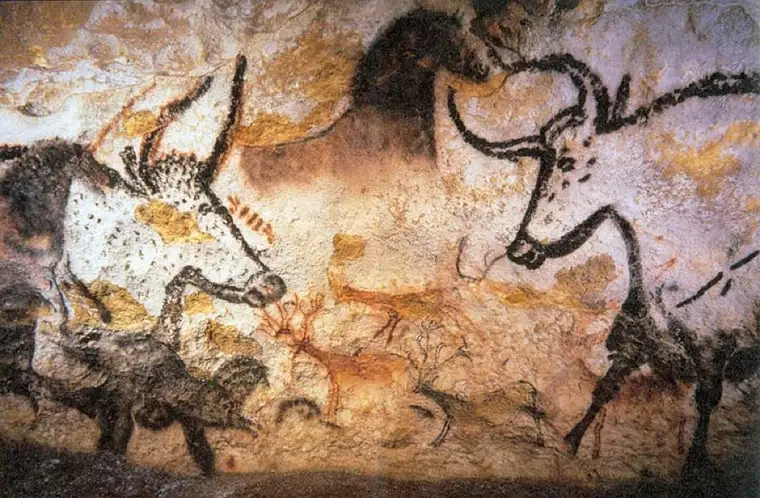
Prehistoric
123,000 BCE – 3,000 BCE
The long age before writing, when humans spread across the globe, took up farming, and raised the first villages and monuments. It is known only through archaeology — tools, bones, and art rather than names and dates.
II
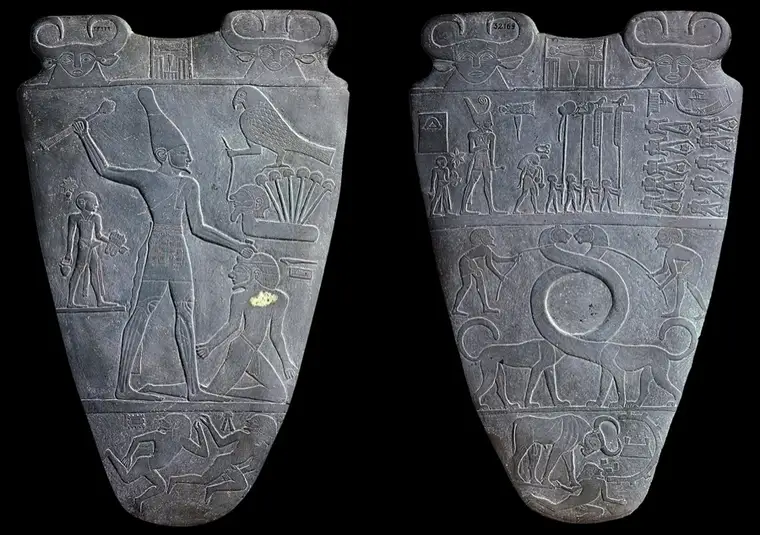
Ancient
3,000 BCE – 500 BCE
The age of the first cities, writing, and states — from Mesopotamia and Egypt to the Indus Valley and early China. Empires, law codes, and long-distance trade appeared as people began to record their world.
III
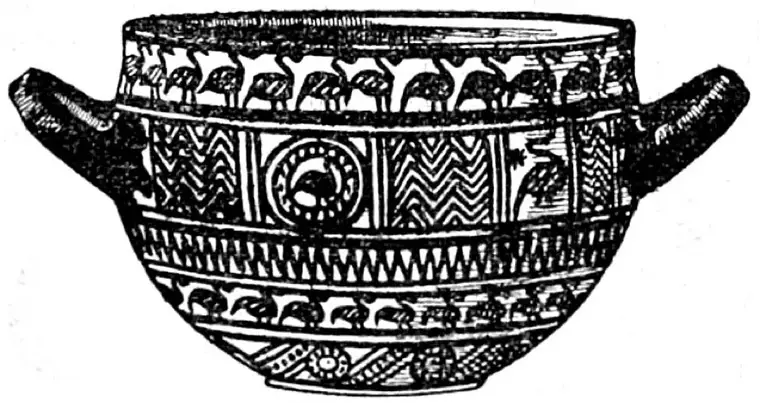
Classical
500 BCE – 500 CE
An era of large empires and enduring ideas across Eurasia — Greece and Rome, Persia, Maurya and Han China — linked by routes like the Silk Road. Much of the world's lasting philosophy, religion, and science took shape here.
IV
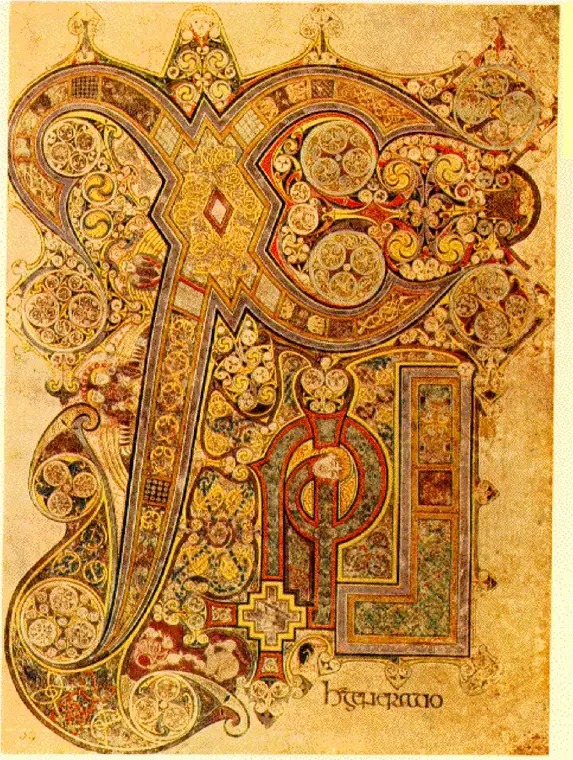
Medieval
500 CE – 1400 CE
After Rome's western collapse, power fragmented and reformed: the Byzantine and Islamic worlds flourished, dynasties rose in China and India, and trading states like Mali grew rich. Faith and commerce tied distant regions together.
V
Early Modern
1400 CE – 1800 CE
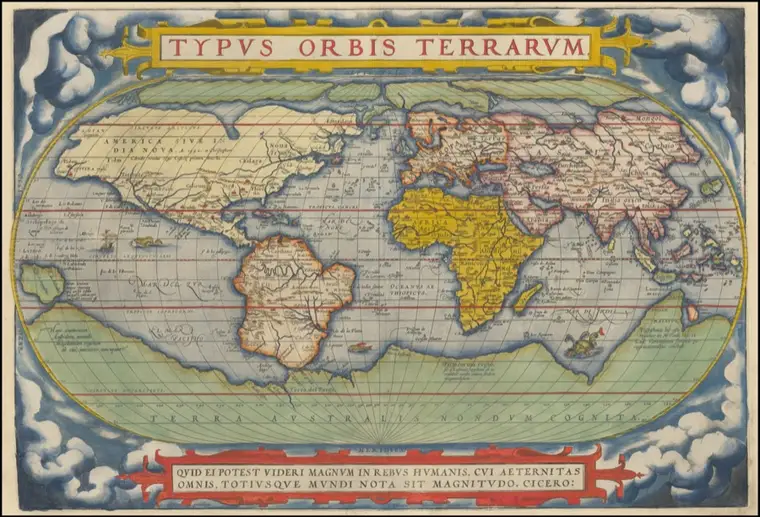
Oceans became highways. Europeans reached the Americas, gunpowder empires spanned Asia, and goods, people, and diseases crossed continents for the first time — reshaping the world, often through conquest and slavery.
VI
Modern
1800 CE – today
Industry, nations, and rapid change. Steam, electricity, and later digital technology transformed daily life; empires expanded and then dissolved; and world wars, decolonization, and globalization drew nearly every society into one connected world.